General wellness information only—not medical or therapeutic advice. We do not diagnose, treat, or cure medical conditions; sell medicines or restricted health products; or promise specific health outcomes. We operate in New Zealand (Rotorua). For emergencies in NZ call 111. Ask your GP or nurse for personal advice. If you arrived from an online ad, this site matches what we advertise: lifestyle education about everyday drinking habits, workshops, and optional paid sessions—nothing else.

Drinking Water When You Exercise

From lakefront walks in Rotorua to weekend football, movement changes how much you need. Plan ahead so energy stays steady and recovery feels natural.

Before You Exercise

Arrive at activity already comfortable—not overfull. About 400 to 500 ml in the two hours before exercise is a common starting point for adults, sipped rather than gulped. Include a small snack with sodium if you expect heavy sweat, such as wholegrain toast with peanut butter.

Alcohol the night before can leave you drier than you feel. Moderate intake and add water between drinks at social events. Sleep quality matters too; fatigue can mask thirst signals during morning training.

Trail tip: Check MetService and DOC advisories. Hot, windy ridges increase fluid needs faster than shaded forest tracks.

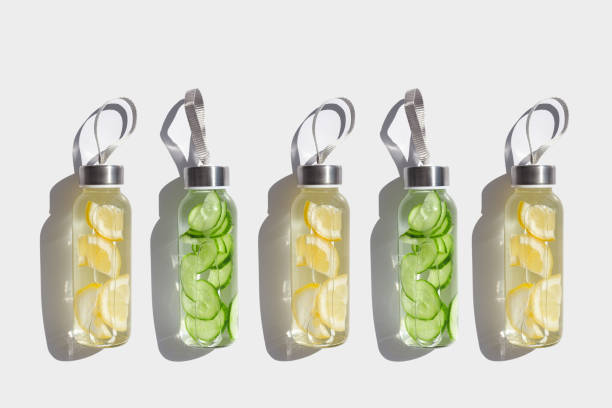
Reusable water bottle beside walking shoes at a doorstep
Pair bottles with shoes so you never leave without fluids.

While You Are Moving

For sessions under 60 minutes at moderate intensity, water alone is enough for most people. Drink 150 to 200 ml every 15 to 20 minutes when sweating. In hot NZ conditions, lean toward the upper range and seek shade when possible.

Longer efforts—half marathons, multi-hour hikes, or cycling sportives—may need carbohydrates and electrolytes. Commercial sports drinks work; so do water plus fruit and a handful of pretzels. Practice during training, not on event day, to learn what your stomach tolerates.

After You Finish

Weighing yourself before and after a hard session shows sweat loss: each kilogram down is roughly a litre of fluid to replace, spread over several hours. Include a balanced meal with protein, carbs, and minerals. Chocolate milk is a popular recovery drink in amateur sport because it combines protein and fluid—choose portions that match your appetite.

  • Cool down and sit in shade before large drinks.
  • Replace fluids over 2 to 4 hours, not in one chug.
  • Log how you felt to adjust next week’s plan.

Health & Safety Guidelines for Active People

Hot weather and hard work

Heat exhaustion signs include heavy sweating, dizziness, and nausea. Move to shade, loosen clothing, and sip cool water. If confusion or fainting occurs, seek urgent care. In New Zealand summers, schedule hard efforts before 10 a.m. or after 5 p.m. when possible.

Drinking too much water

Drinking excessive plain water during very long events without adequate electrolytes can dilute blood sodium—a rare but serious condition. Follow planned intake, include electrolytes for multi-hour sweat, and listen to your body rather than forcing arbitrary litre targets mid-race.

Ways to Stay Active in New Zealand

Low-impact swimming at local pools suits joint-friendly cardio with natural temperature control. Community parkruns are free weekly 5 km events—carry a small bottle or drink right after. Gardening counts as movement; treat mowing the lawn like a workout in midsummer and hydrate before you start.

Winter skiing and boarding increase fluid needs through dry mountain air. Pack a bottle in your pack room and drink on chairlifts. Kombucha and sugary energy drinks are optional extras, not requirements, for casual recreation.

Plan a movement fluid map with us