General wellness information only—not medical or therapeutic advice. We do not diagnose, treat, or cure medical conditions; sell medicines or restricted health products; or promise specific health outcomes. We operate in New Zealand (Rotorua). For emergencies in NZ call 111. Ask your GP or nurse for personal advice. If you arrived from an online ad, this site matches what we advertise: lifestyle education about everyday drinking habits, workshops, and optional paid sessions—nothing else.

Daily Habits That Help You Drink Enough

The best plan is the one you forget you are following. These cosy, home-style routines fit busy mornings, school runs, and slow Sunday cups of tea.

Link Water to Habits You Already Have

Behaviour research shows that stacking a new action onto an existing habit increases follow-through. Instead of relying on willpower at 3 p.m., attach drinking to cues you never skip: boiling the kettle, sitting down for lunch, or locking the front door before a walk.

Try a “one cup per transition” rule: one when you wake, one before leaving home, one when you return, one with dinner. Transitions are memorable even on chaotic days. Keep a glass on the bathroom shelf so you see it while brushing teeth—visibility beats motivation posters.

Family kitchen with water jug and fresh herbs on the bench
A visible jug invites everyone to pour without fuss.

Make Water Taste Good (Without Too Much Sugar)

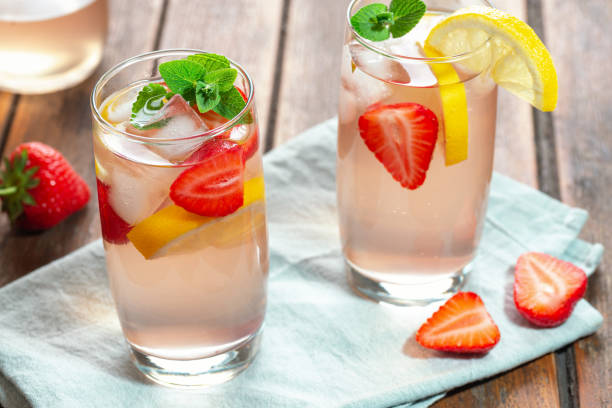
Plain water is ideal, but taste fatigue is real. Infuse chilled water with lemon, cucumber, mint, or seasonal berries. Sparkling water with citrus satisfies fizz cravings without cola sugar. In winter, herbal teas count toward comfort and fluids—rooibos, peppermint, and chamomile are caffeine-free options for evenings.

Limit fruit juice to small glasses; whole fruit gives fibre with moisture. For children, dilute juice half-and-half until palates adjust. Carry frozen bottles on hot days—they melt into a cool drink by afternoon sport pickup.

“If you enjoy it, you will repeat it. Make the healthy choice the easy choice in your kitchen layout.”

— Habit design note from our workshops

At Work, School, or On Site

Desk workers

Use a 750 ml bottle and finish one before lunch, one after. Stand when you refill to break sitting time. If meetings ban bottles, sip during breaks rather than compensating with evening litres.

Outdoor trades

Insulated bottles prevent warm water on building sites. Schedule shade breaks with a drink every 45 minutes in peak UV. Include salty lunch components if sweating heavily—crackers, cheese, or soup.

Students

Clear bottles help teachers monitor intake without nagging. Pack water-rich snacks: mandarins, grapes, and cherry tomatoes travel well in lunchboxes.

Ideas for Families

Children mirror adults. Drink water visibly at meals; avoid calling it punishment or reward. Use fun cups with straws for toddlers, but teach open cups over time for dental health. For teens glued to screens, co-design a refill challenge with no prizes tied to weight—focus on energy for sport or music practice instead.

At the bach or campsite, assign each person a labelled bottle to reduce sharing germs. Rinse and refill at each meal stop. Teach older kids to check urine colour using a simple chart on the fridge—make it educational, not scary.

Frequently Asked Questions

How do I remember water when I work night shifts?

Align drinks with meal breaks rather than daylight. Keep a bottle in your locker and sip during handover. Caffeine late in a shift may affect sleep—balance with water and herbal tea after midnight if you are sensitive.

Is bottled water better than tap in New Zealand?

Most NZ tap water meets strict safety standards. Bottled water is convenient for travel but has packaging impact. Use a filter jug only if you dislike local taste—follow manufacturer cleaning instructions.

What if I simply dislike water?

Try temperature changes—iced in summer, room temperature in winter. Soups, smoothies with veg, and high-water fruits add volume. Gradually reduce sweeteners rather than quitting cold turkey.

Ask a habit question